
Table of Contents
Ongoing Mass Protests Shake Iran
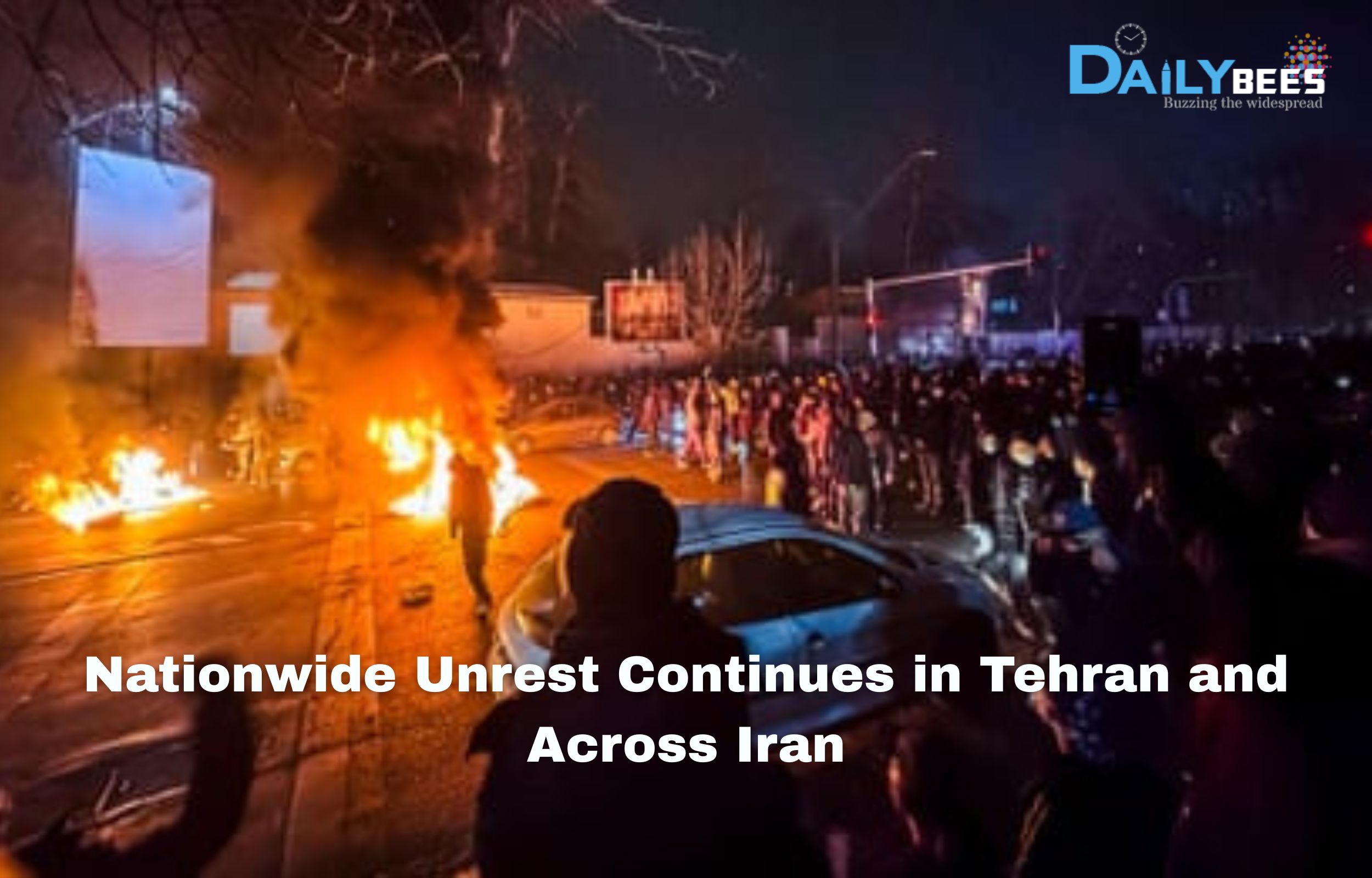
Anti-government protests that erupted in late December 2025 continue to dominate the headlines in Tehran and the wider nation as the movement enters its third week. What began as demonstrations against a failing economy marked by steep inflation, soaring prices, high unemployment, and a sharp depreciation of the Iranian Rial (Iranian Rial (IRR) has evolved into widespread opposition against the country’s leadership and clerical establishment.
Protesters in Tehran’s central streets, bazaars, and public districts have repeatedly taken to the streets, with demands shifting from purely economic relief to calls for political reform and an end to the Islamic Republic’s theocratic system. Demonstrators include shopkeepers, students, ordinary citizens, and bazaar merchants, reflecting a broad cross-section of Iranian society.
Harsh Crackdown by Security Forces
The response from Iran’s authorities has grown increasingly violent and repressive. Security forces have used live ammunition, resulting in a mounting death toll with independent activist groups reporting at least 116 deaths and more than 2,600 detentions so far.
Amid this unrest, the government has imposed an almost complete nationwide internet and mobile phone blackout, effectively cutting the population off from the outside world and making independent verification of events extremely difficult.
Eyewitness footage and activist testimonies that have leaked through limited channels show crackdowns, clashes with security forces, and brutal suppression. Critics argue the communication shutdown is designed to conceal the scale of violence.
Government and Military Response in Tehran
Army and Security Forces on High Alert
Iran’s army has publicly vowed to “protect public property” while urging Iranians to resist what it describes as foreign interference and internal plots. Tehran’s leadership is increasingly framing the unrest as a threat to national sovereignty rather than a legitimate popular movement.
Official state media have broadcast images of funerals for security personnel killed during protests and have blamed “rioters” for attacks on infrastructure. Meanwhile, Tehran has repeatedly accused the United States and Israel of exacerbating unrest behind the scenes.
In a related security action, Iran’s Revolutionary Guards arrested a foreign national accused of spying for Israel, underscoring the heightened paranoia and tension in the capital’s power circles.
Political Messaging from the Leadership
Supreme Leader Ayatollah Ali Khamenei and government officials have labeled protesters as “saboteurs” and “criminals,” warning of severe consequences for those involved. The attorney general has also hinted that participants may face extremely harsh penalties, including death sentences.
Critics of the regime say such rhetoric is aimed at quelling dissent through fear rather than addressing the root causes of public discontent.
International Reactions & Support for Protesters
U.S. and Western Statements
International responses have been significant, particularly from the United States. President Donald Trump indicated that the U.S. “stands ready to help” Iranians seeking freedom, signaling political backing for the protest movement.
Leading Western figures have condemned the violent crackdown and the internet blackout, calling for restraint from Iranian authorities and respect for human rights.
Global Solidarity and Diaspora Voices
Iranian cultural figures and artists in exile such as filmmakers Jafar Panahi and Mohammad Rasoulof have publicly condemned the blackout and urged the international community to help break the information blockade. Their statements reflect a growing global solidarity around the protests and the broader struggle for rights and freedoms.
Protests in support of the movement have also surfaced internationally, including a symbolic demonstration outside the Iranian embassy in London, in which protesters temporarily replaced the national flag with the pre-1979 lion and sun emblem favored by many opposition groups.
Root Causes: Economy and Social Strain
Economic Crisis Fuels Discontent
The broader backdrop for this unrest is Iran’s deepest economic crisis in decades. Years of international sanctions, domestic mismanagement, and structural economic problems have devastated household finances. Inflation has spiked, and essential costs such as food and healthcare have risen sharply, pushing many Iranians below the poverty line.
The collapse of the Iranian rial and sharp underperformance of the economy have eroded public trust in government policy, making the capital, Tehran, the central stage for expressing long-standing grievances.
Looking Ahead: What Comes Next?
Iran’s current crisis centered around Tehran as both a political and symbolic epicenter shows no clear resolution in sight. The regime’s hardline stance and violent suppression versus growing domestic opposition and international attention create a volatile situation with the potential for further escalation.
Whether Tehran’s streets quiet down or usher in a more profound political transformation remains uncertain, but the ongoing unrest has already marked one of the most significant periods of public dissent in Iran in years.