

Table of Contents
Introduction
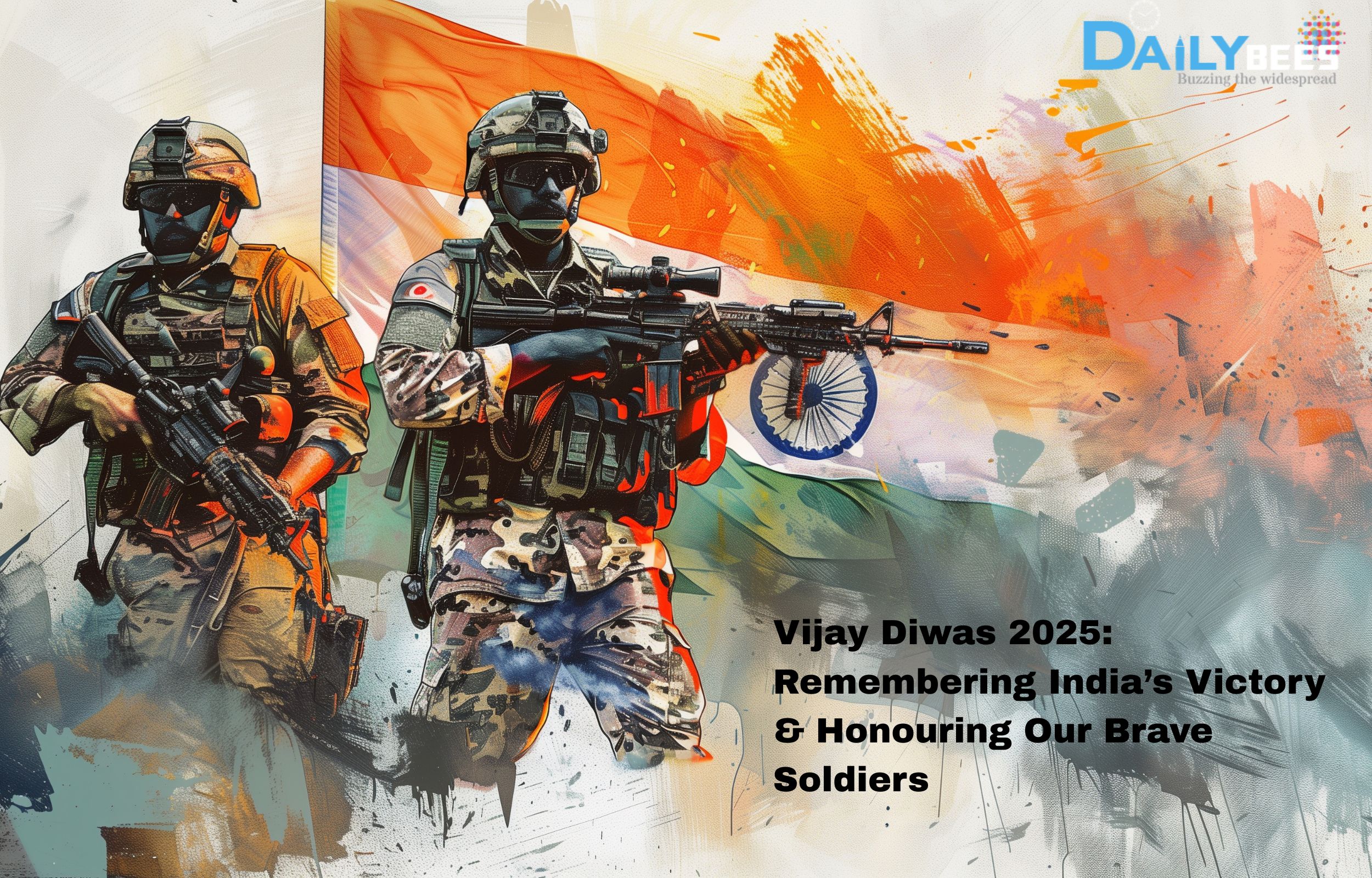
For India, Vijay Diwas is a day of great pride and remembrance. It commemorates the Indian Armed Forces’ triumph over Pakistan in the 1971 conflict, which resulted in the establishment of Bangladesh. This day is celebrated nationwide with solemn ceremonies and patriotic fervour, paying tribute to the brave soldiers who fought valiantly and reaffirming the Indian people’s spirit of bravery and unity.
What is Vijay Diwas?
Observed on 16 December every year
Every year on December 16, Vijay Diwas is celebrated to mark the end of one of the most important wars in the history of the Indian subcontinent: the surrender of Pakistani forces to the Indian Army and Mukti Bahini (Bangladeshi freedom fighters) in 1971. The day represents triumph, selflessness, and patriotism.
Tribute to Brave Soldiers Who Protected the Nation
The day honors the Indian soldiers and officers who displayed exemplary valor, strategic brilliance, and unyielding determination. Vijay Diwas pays homage to their sacrifices, resilience, and dedication that ensured the protection and integrity of the nation while helping to liberate Bangladesh.
Historical Background
Reason Behind the 1971 Indo–Pak War
The 1971 Indo-Pak War was rooted in decades of political strife, ethnic tensions, and economic disparity between East Pakistan (now Bangladesh) and West Pakistan (now Pakistan). The immediate trigger was the violent crackdown by the Pakistani military on East Pakistani civilians following the latter’s demand for autonomy and independence.
Role of Indian Armed Forces
India played a crucial role by supporting the Mukti Bahini in their guerrilla warfare efforts and eventually entering the war to intervene directly against Pakistani forces. The Indian military’s coordinated campaign on land, air, and sea fronts decisively tilted the balance in favor of the liberation movement in East Pakistan.
Formation of Bangladesh
The war concluded with the signing of the Instrument of Surrender on 16 December 1971, leading to the birth of Bangladesh as an independent nation, ending East Pakistan’s subjugation and altering the geopolitical landscape of South Asia.
Major Operations and Turning Points
Operations like “Operation Jackpot” (guerrilla strikes by Mukti Bahini), and battlefronts such as the Eastern and Western theatres where Indian forces gained critical territorial advantages, were pivotal. The swift and coordinated military strategy led to the Pakistani army’s surrender in just 13 days.
Leadership & Strategy
Key Military Leaders and Their Contributions
Prominent leaders such as Field Marshal Sam Manekshaw, who was the Chief of Army Staff, and Admiral S.M. Nanda, who led the naval forces, were instrumental in achieving victory. Their strategic vision, clear command, and inspirational leadership motivated troops to execute complex operations flawlessly.
The Disciplined Strategy That Led to Victory
The military adopted a well-planned strategy combining conventional warfare and guerrilla tactics. The swift encirclement strategy and domination of key infrastructure ensured a rapid culmination of hostilities, minimizing casualties while maximizing impact.
International Perspective on India’s Success
Internationally, India’s role was widely acknowledged as a decisive and just intervention that ended humanitarian crises and supported self-determination. Despite Cold War tensions and global political complexities, India’s measured approach garnered respect worldwide.
Stories of Bravery
Acts of Courage by Indian Soldiers
Countless acts of extraordinary bravery emerged during the war—soldiers braving intense enemy fire, overcoming difficult terrains, and executing daring maneuvers. These stories highlight the courage and commitment inherent in India’s armed forces.
Inspirational Stories from the Battlefield
Many soldiers became national heroes due to their sacrifice and dedication. Tales of officers leading from the frontlines, extraordinary perseverance, and brotherhood among troops inspire generations to come.
Recognition of Soldiers Who Sacrificed Their Lives
Many soldiers were posthumously awarded gallantry medals, such as Param Vir Chakra and Maha Vir Chakra, underscoring their supreme sacrifice. Vijay Diwas also serves as a reminder to honor these martyrs and keep their memories alive.
National Celebrations & Tributes
How India Observes Vijay Diwas
Vijay Diwas is marked by official ceremonies, speeches by leaders, remembrance events across the country, and special programs highlighting the significance of the day.
Wreath-Laying Ceremonies
Wreaths are laid at war memorials such as the India Gate in New Delhi, and other prominent sites, paying homage to the soldiers who laid down their lives.
Speeches, Military Parades, Documentaries
Leaders, military officials, and veterans deliver speeches emphasizing patriotism and sacrifice, parades showcase India’s military strength, and documentaries narrate the heroic tales of the 1971 war to educate and inspire citizens.
Paying Respect to Our Armed Forces
Importance of Honouring Martyrs
Honouring martyrs on Vijay Diwas strengthens national morale and acknowledges the cost of freedom. Their sacrifice underpins the peace and security enjoyed by generations.
Respect for Families of Soldiers
The families of soldiers are an integral part of the nation’s defense fabric. Supporting and respecting them reminds us of the wider community involved in safeguarding the country.
Remembering Our Responsibility as Citizens
Vijay Diwas is also a call to all citizens to uphold the values fought for—peace, unity, and democracy—and to contribute positively to the nation’s progress.
Lessons from Vijay Diwas
Patriotism
The day rekindles a deep sense of love and loyalty toward the country, encouraging citizens to honor their heritage and contribute to national growth.
National Unity
The 1971 victory was a testament to India’s diversity coming together for a singular cause, reinforcing the idea that unity is India’s greatest strength.
Courage, Discipline, Sacrifice
The qualities exhibited by the armed forces during the war—discipline in strategy, courage in battle, and readiness to sacrifice—offer timeless lessons for both the military and civilians.
Conclusion
India’s Victory Was Not Just Military, but Moral
Beyond a tactical triumph, the 1971 war symbolized a moral victory upholding justice, humanity, and right to self-determination, values that continue to guide India.
Gratitude to Our Defence Forces
Vijay Diwas is an occasion to express profound gratitude to our defence forces for their unwavering commitment and valor, safeguarding the nation’s sovereignty.
Promise to Uphold the Pride of the Tricolour
Every Indian should take pride and vow to protect the nation’s honor and uphold the values symbolized by the tricolor flag, keeping alive the spirit and sacrifices of Vijay Diwas.