



























Introduction
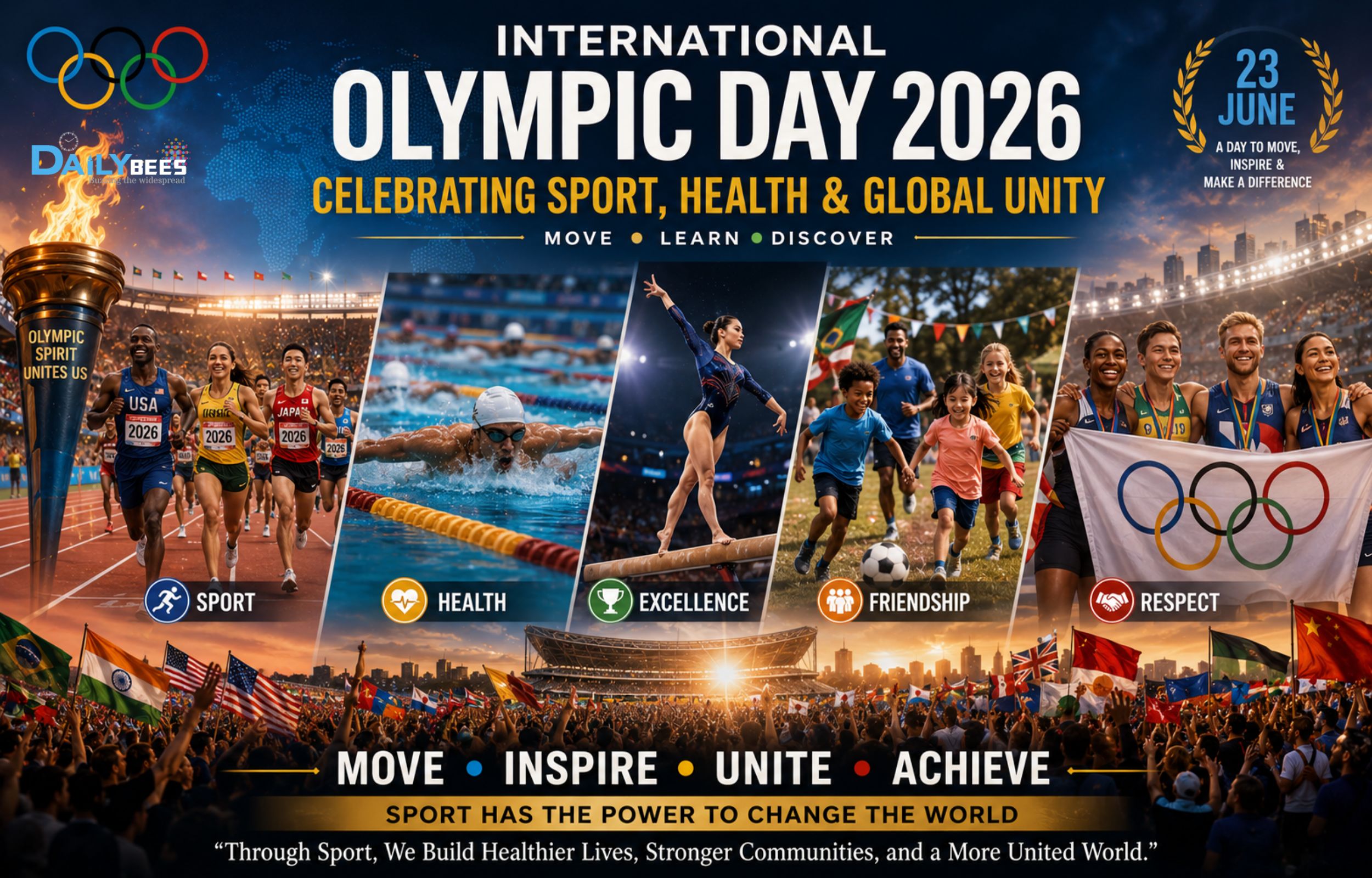
Every year on June 23, the world celebrates International Olympic Day—an annual holiday that commemorates the founding of the International Olympic Committee (IOC) on June 23, 1894, at the Sorbonne in Paris by Pierre de Coubertin. This global celebration brings together nearly six million people across the globe, young and old alike, who come together to move, jump, stretch, and sweat to promote a healthy and active lifestyle.
International Olympic Day is not just about athletic competition; it represents the Olympic Movement’s birthday and celebrates the power of sports to unite people, build peace, and inspire healthier communities worldwide. The day has widened its audience since 1948 and adapted to various local specificities while maintaining its core mission of promoting sports participation regardless of age, gender, or athletic ability.
Historical Foundations: From Ancient Greece to Modern Olympics
The Ancient Olympic Games
The Olympic tradition dates back to ancient Greece, where in honor of Zeus, the father of all Greek gods, a religious festival was held each year in Olympia. The ancient Olympic Games began in 776 B.C. when a cook from the city of Elis won a 600-foot-long foot race—the only athletic event for the first 13 years. From 776 B.C., the Olympics were held every four years for approximately 12 centuries, until the fourth century A.D.
In ancient Greece, athletes competed nude in the marathons, a practice that reflected the cultural values of that time.
The Modern Olympic Revival
The first modern Summer Olympic Games were held in 1896 in Athens, Greece, inspired by the ancient Greek Olympic Games. The modern Olympics represent the world’s largest international multi-sport event, held every four years, with thousands of athletes and sportspersons from all across the world participating in various games and sports.
The Olympic Flame (or Olympic torch) was inaugurated at the Amsterdam Olympics, while the Olympic Torch Relay is a modern tradition that dates back to the Berlin Olympics in 1936, not the ancient Olympics. The Olympic Oath was also introduced during this modern revival period.
Global Impact and Participation
Worldwide Reach
Today, close to six million people across the globe participate in Olympic Day activities, reversing the trend away from sport and promoting a healthy and active lifestyle. This massive participation demonstrates the Olympic Movement’s success in making exercise an essential part of daily life worldwide.
Adaptation to Local Specificities
Since its foundation, International Olympic Day has widened its audience and adapted to various local specificities. This flexibility allows different countries and cultures to celebrate Olympic Day in ways that resonate with their communities while maintaining the core Olympic values.
The Olympic Spirit
International Olympic Day celebrates sports, health, community, and the Olympic spirit. It recognizes sports’ power to:
- Boost morale
- Unite people from different cultures
- Build a peaceful world
- Promote physical and mental well-being
Benefits of Sports in Life
Sports are not just about physical activity; they shape character, build resilience, and create holistic well-being. Here are the profound benefits sports bring to daily life:
Physical Health Benefits
| Benefit | Impact |
| Cardiovascular Health | Strengthens heart, reduces risk of heart disease and stroke |
| Weight Management | Helps maintain healthy body weight and prevents obesity |
| Muscle Strength | Builds and maintains muscle tone and bone density |
| Flexibility | Improves range of motion and reduces injury risk |
| Immune System | Boosts immunity and reduces illness frequency |
Mental and Emotional Benefits
- Reduces Stress and Anxiety: Physical activity releases endorphins, natural mood elevators that combat stress
- Improves Mental Health: Regular exercise reduces symptoms of depression and anxiety
- Enhances Cognitive Function: Sports improve focus, memory, and decision-making skills
- Boosts Confidence: Achieving athletic goals builds self-esteem and self-worth
- Develops Emotional Resilience: Learning to handle wins and losses builds emotional strength
Social and Character-Building Benefits
- Teamwork Skills: Sports teach collaboration, communication, and mutual support
- Leadership Development: Athletes learn to lead teams and inspire others
- Discipline and Commitment: Regular training cultivates discipline and dedication
- Time Management: Balancing sports with other responsibilities improves organizational skills
- Cultural Understanding: International sports expose individuals to diverse cultures and perspectives
Long-Term Life Benefits
- Lifelong Healthy Habits: Sports participation in youth leads to active adult lifestyles
- Career Success: Many workplace skills (discipline, teamwork, resilience) are honed through sports
- Social Connections: Sports create lasting friendships and community networks
- Quality of Life: Active individuals report higher life satisfaction and well-being
Popular Olympic Sports
The Olympic Games feature a diverse range of sports that showcase human athleticism, skill, and determination. Here are the most popular Olympic sports:
Summer Olympic Sports
| Sport | Category | Key Features |
| Athletics (Track & Field) | Running | 100m, 200m, marathons, sprints, hurdles, relays |
| Swimming | Water | 50m-1500m races, freestyle, backstroke, breaststroke, butterfly |
| Basketball | Team | 5-vs-5 competition, NBA-style gameplay |
| Football (Soccer) | Team | 11-vs-11, most popular sport globally |
| Gymnastics | Individual | Artistic, rhythmic, trampoline; balance beams, vaults |
| Tennis | Individual/Team | Singles, doubles; singles courts, grand slam style |
| Volleyball | Team | 6-vs-6, indoor and beach variations |
| Boxing | Combat | Olympic boxing, various weight categories |
| Judo | Combat | Japanese martial art, throwing and grappling |
| Taekwondo | Combat | Korean martial art, kicking techniques |
| Cycling | Individual | Road, track, mountain biking, BMX |
| Rowing | Water | Crew boats, single sculls, team coordination |
| Athletics (Weightlifting) | Strength | Olympic lifting, powerlifting variations |
| Archery | Individual | Target shooting, precision discipline |
| Badminton | Individual/Team | Racket sport, fast-paced gameplay |
Winter Olympic Sports
| Sport | Category | Key Features |
| Ice Hockey | Team | 6-vs-6 on ice, fast-paced team sport |
| Figure Skating | Individual/Team | Artistic ice skating, jumps, spins |
| Snowboarding | Individual | Alpine, freestyle, halfpipe variations |
| Biathlon | Individual | Skiing + shooting combination sport |
| Ski Jumping | Individual | Distance jumping, aerial technique |
| Bobsleigh | Team | High-speed ice track racing |
Emerging Olympic Sports
- Skateboarding: Added to 2020 Tokyo Olympics
- Sport Climbing: Competition climbing on artificial walls
- Surfing: Ocean-based competition sport
- breakdancing: Added to 2024 Paris Olympics
Conclusion: The Legacy and Future of Olympic Day
International Olympic Day stands as a testament to the enduring power of sports to unite humanity. From its ancient origins in 776 B.C. Greece to its modern celebration involving six million people worldwide, the Olympic spirit has evolved while maintaining its core mission: promoting health, peace, and global unity through sports.
The day’s three pillars—Move, Learn, and Detect—continue to guide billions in discovering the joy of physical activity and the values of the Olympic Movement. As we look to the future, Olympic Day remains a symbol of international collaboration, celebrating the five continents united through the universal language of sport.
Whether you’re participating in the Olympic Day Run, learning a new sport, watching an athlete documentary, or simply moving your body for the first time, International Olympic Day invites everyone to join in this global celebration of health, community, and the Olympic spirit.
This year, on Tuesday, June 23, 2026, join millions around the world to celebrate International Olympic Day and embrace the power of movement, learning, and discovery.