



























Introduction
Polycystic Ovary Syndrome (PCOS) is one of the most common hormonal disorders affecting women of reproductive age. Despite its prevalence, many women remain unaware of its symptoms, causes, and long-term health implications. PCOS not only impacts physical health but can also affect emotional well-being and quality of life. Understanding this condition is the first step toward managing it effectively and living a healthy, balanced life.
What is PCOS?
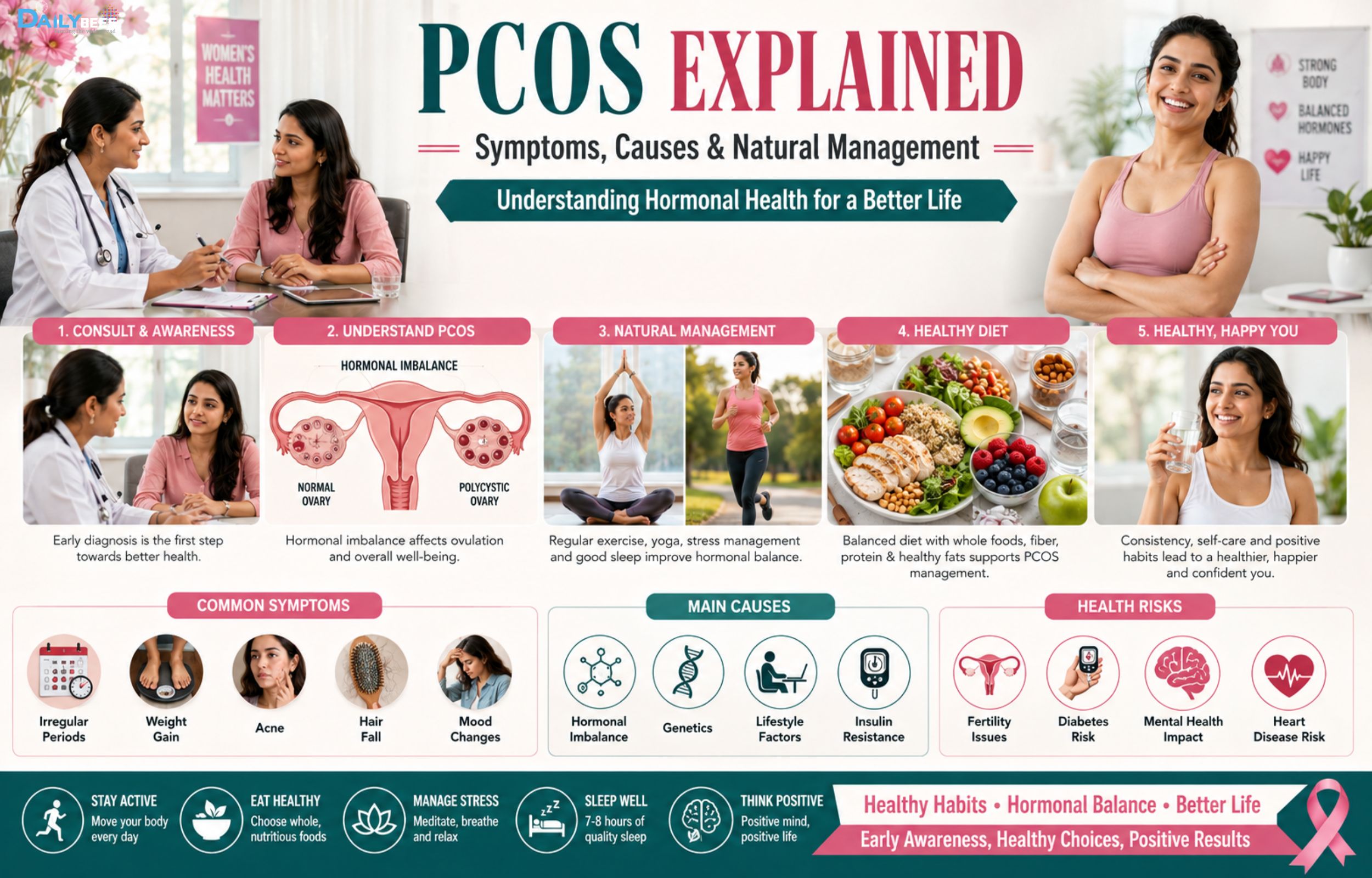
PCOS is a hormonal disorder that affects how a woman’s ovaries function. Women with PCOS may experience irregular menstrual cycles, excess androgen (male hormone) levels, and the development of small cysts in the ovaries. While the exact cause is not fully understood, PCOS is a complex condition influenced by a combination of hormonal, genetic, and lifestyle factors.
Why Awareness is Important for Women
Early awareness and diagnosis of PCOS can prevent complications such as infertility, diabetes, and heart disease. Many symptoms of PCOS are often overlooked or mistaken for normal hormonal fluctuations. Educating women about PCOS empowers them to seek timely medical care and adopt healthier lifestyle habits.
Common Symptoms of PCOS
Irregular Periods
One of the most common signs of PCOS is irregular or missed periods. Hormonal imbalance interferes with ovulation, making menstrual cycles unpredictable.
Weight Gain
Many women with PCOS struggle with weight gain, especially around the abdomen. This is often linked to insulin resistance.
Acne and Hair Growth
Elevated androgen levels can lead to persistent acne and excessive hair growth on the face, chest, or back (a condition called hirsutism).
Hair Fall
Hair thinning or hair loss, similar to male-pattern baldness, is another symptom caused by hormonal imbalance.
Mood Changes
PCOS can also affect mental health, leading to mood swings, anxiety, and even depression.
Main Causes of PCOS
Hormonal Imbalance
Women with PCOS often have higher levels of androgens, which disrupt normal ovulation and menstrual cycles.
Genetics
PCOS tends to run in families. If your mother or sister has PCOS, your risk of developing it increases.
Lifestyle Factors
Poor diet, lack of physical activity, and chronic stress can contribute to the development and worsening of PCOS symptoms.
Insulin Resistance
Many women with PCOS have insulin resistance, meaning their bodies cannot effectively use insulin. This leads to increased insulin levels, which can trigger excess androgen production.
Health Risks Associated with PCOS
Fertility Issues
Irregular ovulation can make it difficult for women with PCOS to conceive naturally.
Diabetes Risk
Insulin resistance increases the risk of developing type 2 diabetes over time.
Mental Health Impact
The physical symptoms and hormonal changes associated with PCOS can lead to emotional distress, low self-esteem, and mental health challenges.
How PCOS is Diagnosed
Medical Tests
Doctors may use ultrasound scans to check for cysts in the ovaries.
Hormonal Evaluations
Blood tests are conducted to measure hormone levels, including androgens, insulin, and other reproductive hormones.
Diagnosis typically involves evaluating symptoms, medical history, and test results rather than relying on a single test.
Natural Ways to Manage PCOS
Healthy Diet
A balanced diet plays a crucial role in managing PCOS. Focus on whole, unprocessed foods that help regulate blood sugar levels.
Regular Exercise
Physical activity helps improve insulin sensitivity, manage weight, and boost overall well-being. Even moderate exercise like walking or yoga can make a difference.
Stress Management
Chronic stress can worsen hormonal imbalance. Practices such as meditation, deep breathing, and mindfulness can help manage stress levels.
Better Sleep Routine
Quality sleep is essential for hormonal balance. Aim for 7–8 hours of uninterrupted sleep each night.
Best Foods for PCOS
Fiber-Rich Foods
Foods like vegetables, fruits, whole grains, and legumes help improve digestion and regulate blood sugar levels.
Protein-Rich Diet
Lean proteins such as eggs, fish, and plant-based sources help keep you full and support metabolism.
Anti-Inflammatory Foods
Include foods rich in omega-3 fatty acids, such as nuts, seeds, and fatty fish, to reduce inflammation.
Lifestyle Habits to Avoid
Junk Food
Highly processed foods can worsen insulin resistance and contribute to weight gain.
Excess Sugar
High sugar intake can spike insulin levels and aggravate PCOS symptoms.
Sedentary Lifestyle
Lack of physical activity can lead to worsening of symptoms and overall poor health.
Importance of Medical Guidance
Regular Checkups
Routine visits to a healthcare provider ensure that symptoms are monitored and managed effectively.
Personalized Treatment Plans
Every woman’s experience with PCOS is different. A tailored treatment plan, which may include medication, lifestyle changes, or both, is essential for effective management.
Conclusion
PCOS is a manageable condition, but it requires awareness, consistency, and a proactive approach to health. By understanding its symptoms and causes, women can take control of their well-being through healthy lifestyle choices and proper medical guidance. Early diagnosis and informed decisions can significantly improve quality of life. Remember, PCOS does not define you, your habits and mindset can help you lead a healthy and fulfilling life.