




























Every second, several babies are born around the world, while populations continue to grow, age, and migrate at unprecedented rates. Have you ever wondered how these changes impact our future?
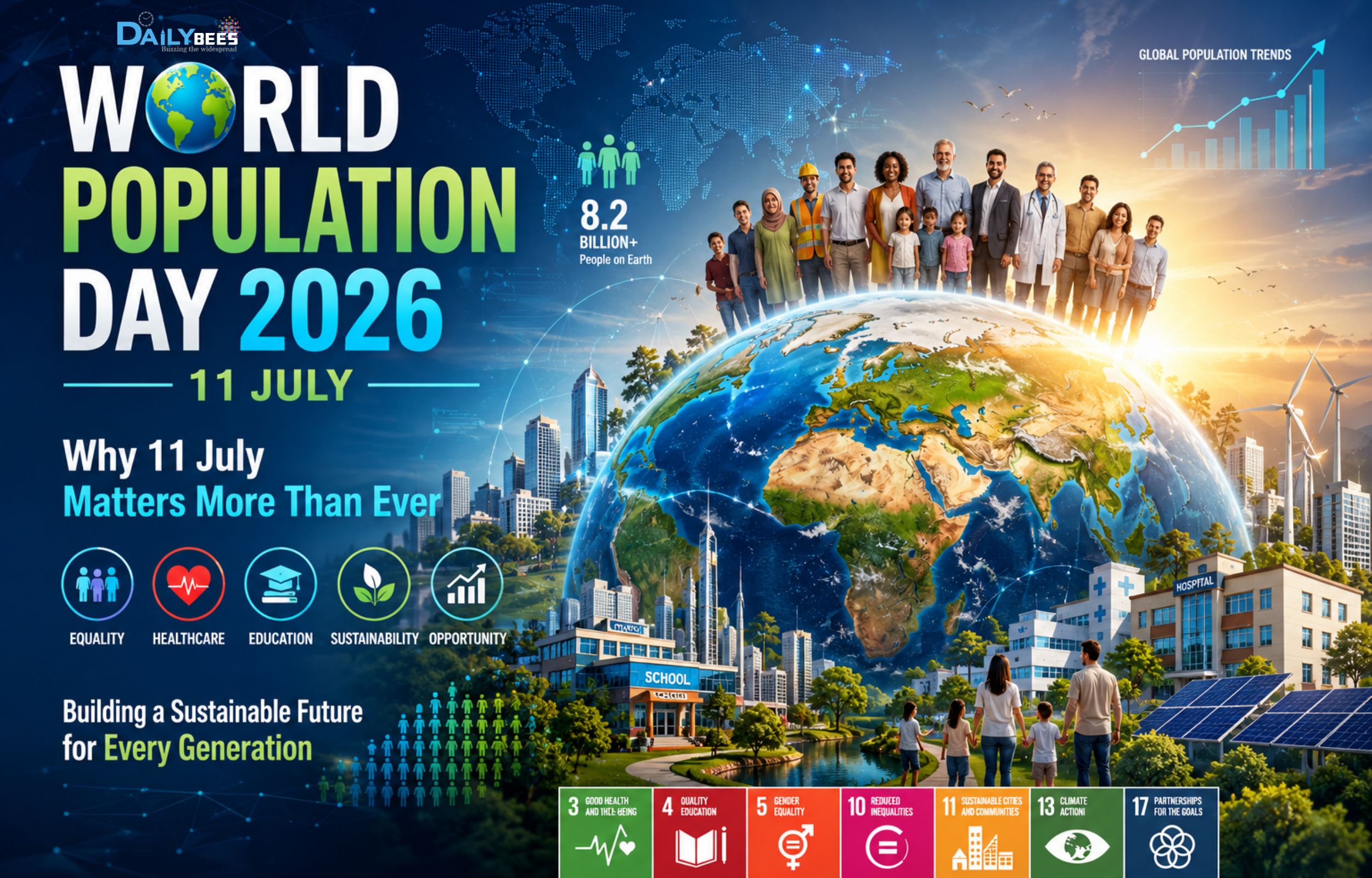
World Population Day, observed every year on 11 July, is a global awareness event dedicated to highlighting the opportunities and challenges associated with population growth. From healthcare and education to climate change and sustainable development, population trends affect nearly every aspect of our lives.
As the global population continues to evolve, World Population Day 2026 serves as a reminder that creating a sustainable future depends not only on the number of people on Earth but also on ensuring equal access to education; healthcare, gender equality, and economic opportunities for everyone.
What Is World Population Day?
World Population Day is an international observance held annually on 11 July to raise awareness about population-related issues affecting countries across the globe.
The day encourages governments, organizations, educators, and citizens to discuss important topics such as:
- Population growth
- Family planning
- Reproductive health
- Gender equality
- Women’s empowerment
- Poverty reduction
- Sustainable development
- Access to education and healthcare
Rather than focusing solely on population numbers, the observance emphasizes improving the quality of life for people everywhere.
History and Origin of World Population Day
World Population Day was established by the United Nations Development Programme (UNDP) in 1989.
The inspiration came from 11 July 1987, known as the Day of Five Billion, when the world’s population was estimated to have reached five billion people. This milestone sparked global discussions about how rapid population growth would affect resources, healthcare, food security, employment, and the environment.
Recognizing the need for greater public awareness, the UNDP recommended observing 11 July every year as World Population Day.
Key Milestones
- 1987: World population reaches approximately five billion.
- 1989: UNDP establishes World Population Day.
- 1994: Population and development become central topics at the International Conference on Population and Development (ICPD) in Cairo.
- 2015: Population issues become closely linked with the United Nations Sustainable Development Goals (SDGs).
- 2022: The world’s population officially surpassed eight billion, highlighting both progress and ongoing global challenges.
Today, World Population Day is observed in more than 150 countries through awareness campaigns, educational programs, seminars, and community events.
World Population Day 2026 Theme
At the time of writing, the official World Population Day 2026 theme has not yet been announced by the United Nations Population Fund (UNFPA).
Each year, the theme focuses on pressing global population issues such as:
- Reproductive health
- Gender equality
- Youth empowerment
- Family planning
- Sustainable development
- Human rights
Once officially released, the 2026 theme will guide awareness campaigns, educational activities, and international discussions throughout the observance.
Why World Population Day Is Important
1. Promotes Sustainable Development
Rapid population growth places increasing pressure on food supplies, clean water, housing, transportation, and energy resources. World Population Day encourages policies that balance population needs with environmental sustainability.
2. Supports Equal Access to Healthcare
Millions of people worldwide still lack access to quality reproductive healthcare and family planning services. Raising awareness helps governments improve healthcare systems and protect public health.
3. Encourages Gender Equality
Women and girls should have the freedom to make informed decisions about their education, careers, and reproductive health. Empowering women leads to healthier families and stronger communities.
4. Focuses on Youth Development
Young people represent a significant share of the global population. Investing in education, employment opportunities, and healthcare helps build a prosperous future.
5. Addresses Climate and Environmental Challenges
Population growth influences carbon emissions, waste generation, urban expansion, and natural resource consumption. Sustainable planning is essential for protecting the planet.
Global Population Trends in 2026
Population trends vary significantly across regions.
Some countries continue experiencing rapid population growth, while others face aging populations and declining birth rates. Urbanization is accelerating, with more people moving to cities in search of education and employment.
Other important trends include:
- Increasing life expectancy
- Growing demand for healthcare services
- Rising migration between countries
- Expansion of megacities
- Greater focus on sustainable urban planning
These changing demographics influence economies, governments, infrastructure, and public policy around the world.
How to Celebrate World Population Day
Everyone can contribute to spreading awareness and supporting sustainable development.
Learn About Population Issues
Read articles, watch documentaries, or attend webinars about population trends, climate change, and global development.
Participate in Community Events
Many schools, universities, NGOs, and local organizations organize awareness drives, seminars, debates, and exhibitions on 11 July.
Share Awareness on Social Media
Post educational facts, infographics, or videos using hashtags such as:
- #WorldPopulationDay
- #PopulationDay
- #SustainableDevelopment
- #GlobalAwareness
Encourage Conversations
Discuss topics like education, women’s empowerment, healthcare, and environmental sustainability with friends and family.
Support Educational Initiatives
Volunteer or donate to organizations working in education, maternal healthcare, and reproductive health services.
Organize School Activities
Teachers can arrange:
- Poster-making competitions
- Essay writing contests
- Quiz competitions
- Debates on sustainable development
- Awareness presentations
Workplace Participation
Organizations can host expert talks, wellness sessions, CSR activities, or awareness campaigns highlighting the importance of population planning and sustainability.
Fun Facts About World Population Day
Fact 1: It Started Because of a Population Milestone
World Population Day originated after the global population reached approximately five billion people on 11 July 1987.
Fact 2: The World Population Has Doubled Rapidly
It took thousands of years for humanity to reach one billion people, but only a few decades to grow from four billion to more than eight billion.
Fact 3: Population Growth Is Uneven
While some countries continue to experience rapid population growth, many developed nations are facing declining birth rates and aging populations, creating entirely different social and economic challenges.
Frequently Asked Questions (FAQs)
What is World Population Day?
World Population Day is an international awareness day observed every year on 11 July to highlight important issues related to population growth, reproductive health, gender equality, and sustainable development.
When is World Population Day celebrated?
World Population Day is celebrated annually on 11 July across the world.
Why is World Population Day important?
The day raises awareness about population-related challenges, including healthcare access, education, environmental sustainability, women’s rights, poverty reduction, and responsible development.
How can I celebrate World Population Day?
You can participate by learning about population issues, attending awareness events, sharing educational content on social media, supporting community initiatives, volunteering, or organizing discussions in schools and workplaces.
Final Thoughts
World Population Day is more than just a date on the calendar—it is a global reminder that people are at the center of sustainable development. As the world’s population continues to change, ensuring equal opportunities, quality healthcare, education, and environmental protection becomes increasingly important.
Whether you’re a student, educator, policymaker, or concerned citizen, every action that promotes awareness and responsible decision-making contributes to a healthier and more sustainable future.
This 11 July, take a moment to learn, share, and inspire others. Spread awareness about World Population Day by sharing this article, starting meaningful conversations, and encouraging your friends and family to participate in building a better world for future generations.