



























Introduction
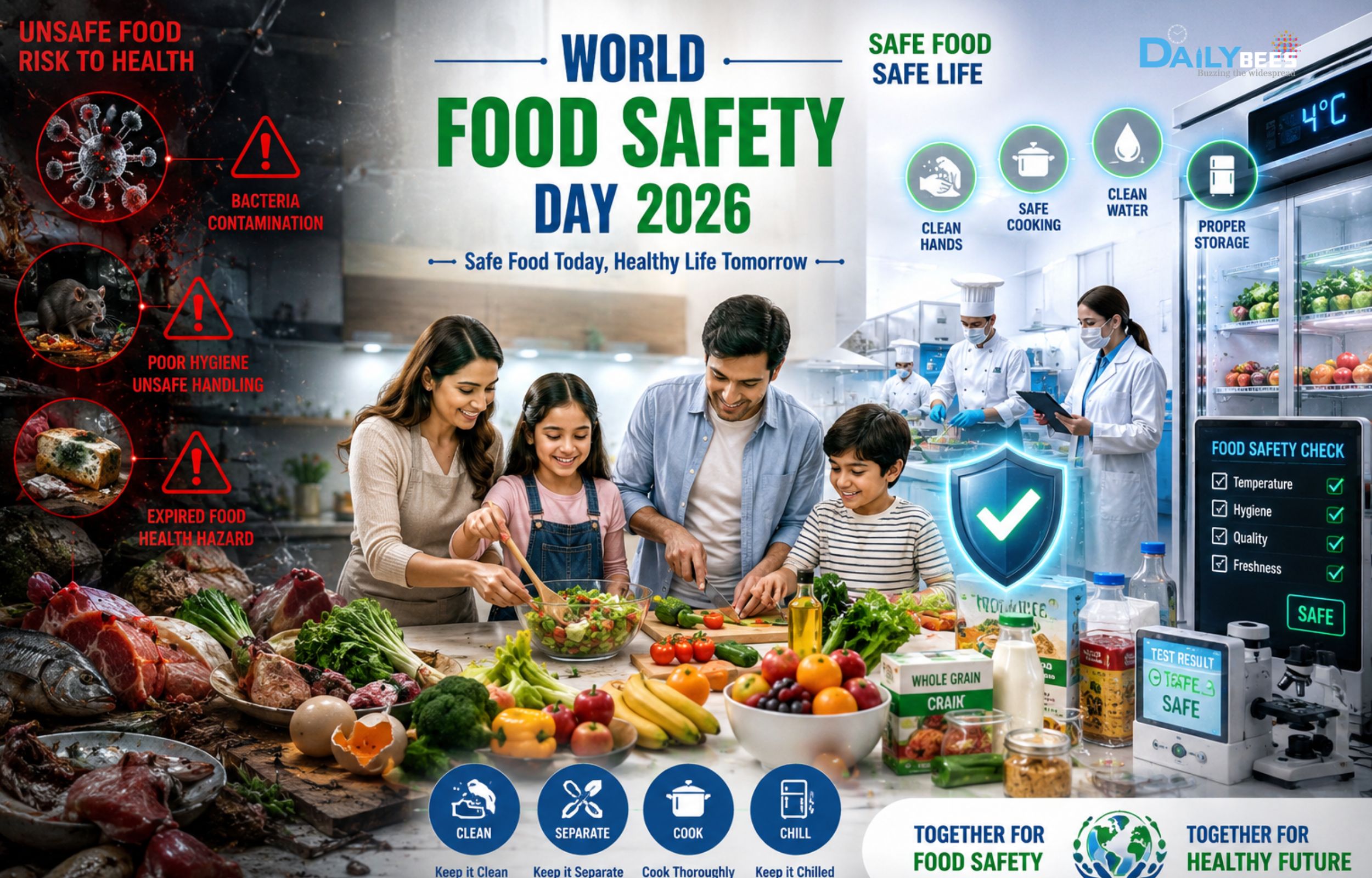
Every year, the world comes together to observe World Food Safety Day, a global initiative that highlights the importance of safe food practices and encourages awareness about food-related risks. Celebrated on June 7, this day serves as a reminder that food safety is a shared responsibility—from farm to plate.
In 2026, the focus on safe food awareness is more critical than ever. With growing urbanization, increased consumption of processed foods, and changing dietary habits, ensuring food safety has become a global priority. Safe food is not just about preventing illness—it is about building a healthier society.
The importance of safe food consumption cannot be overstated. Contaminated or poorly handled food can lead to severe health issues, impacting individuals, families, and even economies. By adopting simple yet effective food safety practices, we can protect ourselves and contribute to a healthier future.
Common Causes of Unsafe Food
Understanding the causes of unsafe food is the first step toward prevention. Several factors contribute to food contamination:
1. Poor Hygiene
One of the most common reasons for unsafe food is poor hygiene. Unwashed hands, dirty cooking surfaces, and unhygienic food handling practices can introduce harmful bacteria into food.
2. Contaminated Water
Water plays a vital role in food preparation. Using contaminated water for washing vegetables, cooking, or cleaning utensils can spread harmful pathogens and lead to foodborne diseases.
3. Improper Storage
Incorrect storage conditions, such as leaving food at room temperature for too long or improper refrigeration, can encourage bacterial growth. Perishable items, in particular, require careful handling and storage.
4. Expired Products
Consuming expired food products is another major cause of food-related illnesses. Expiry dates exist for a reason—they indicate when a product is no longer safe to consume.
Health Risks of Unsafe Food
Unsafe food can have serious consequences on health. Some of the most common risks include:
Food Poisoning
Food poisoning is one of the most immediate effects of consuming contaminated food. Symptoms such as nausea, vomiting, diarrhea, and abdominal pain can occur within hours.
Stomach Infections
Bacteria, viruses, and parasites present in unsafe food can cause gastrointestinal infections. These infections can range from mild discomfort to severe illness requiring medical attention.
Weak Immunity
Repeated exposure to unsafe food can weaken the immune system over time, making the body more susceptible to infections and diseases.
Food Safety Tips
Practicing good food hygiene is essential for maintaining healthy eating habits. Here are some practical and effective food safety tips:
Wash Fruits and Vegetables
Always wash fruits and vegetables thoroughly under clean running water to remove dirt, pesticides, and bacteria.
Proper Cooking Temperature
Cooking food at the right temperature kills harmful microorganisms. Ensure that meat, poultry, and seafood are cooked thoroughly.
Clean Kitchen Habits
Maintain cleanliness in the kitchen by regularly cleaning surfaces, utensils, and appliances. Avoid cross-contamination by using separate cutting boards for raw and cooked food.
Check Expiry Dates
Before consuming packaged food, always check the expiry date. Discard products that are past their safe consumption period.
Importance of Hygiene in Restaurants & Homes
Food safety is equally important in both homes and commercial settings like restaurants.
Clean Utensils
Using clean utensils is essential to prevent contamination. Dirty or improperly washed utensils can transfer harmful bacteria to food.
Safe Packaging
Proper packaging ensures that food remains fresh and protected from external contaminants. This is especially important for takeaway and delivery food.
Refrigeration Practices
Maintaining the correct temperature in refrigerators helps preserve food quality and prevents bacterial growth. Regular cleaning and proper organization of the refrigerator are also crucial.
Future of Food Safety
As technology advances and consumer awareness grows, the future of food safety looks promising.
Organic Food Trends
There is a growing shift toward organic and chemical-free food products. Consumers are becoming more conscious of what they eat, leading to increased demand for safer food options.
Food Quality Awareness
People are now more informed about food labels, ingredients, and sourcing. This increased awareness is driving better food safety practices across industries.
Smart Food Testing
Innovations such as AI-based food testing, smart sensors, and rapid detection technologies are transforming how food safety is monitored and maintained. These advancements help detect contamination quickly and ensure higher standards of safety.
Conclusion
On World Food Safety Day 2026, let us take a pledge to prioritize food safety in our daily lives. Whether at home or dining out, small steps can make a big difference in ensuring safe food consumption.
Safe food is the foundation of a healthy life.
By adopting proper hygiene practices, staying informed, and making conscious food choices, we can protect ourselves and contribute to a healthier and safer world.